The Old Ones
Throwback Thursday

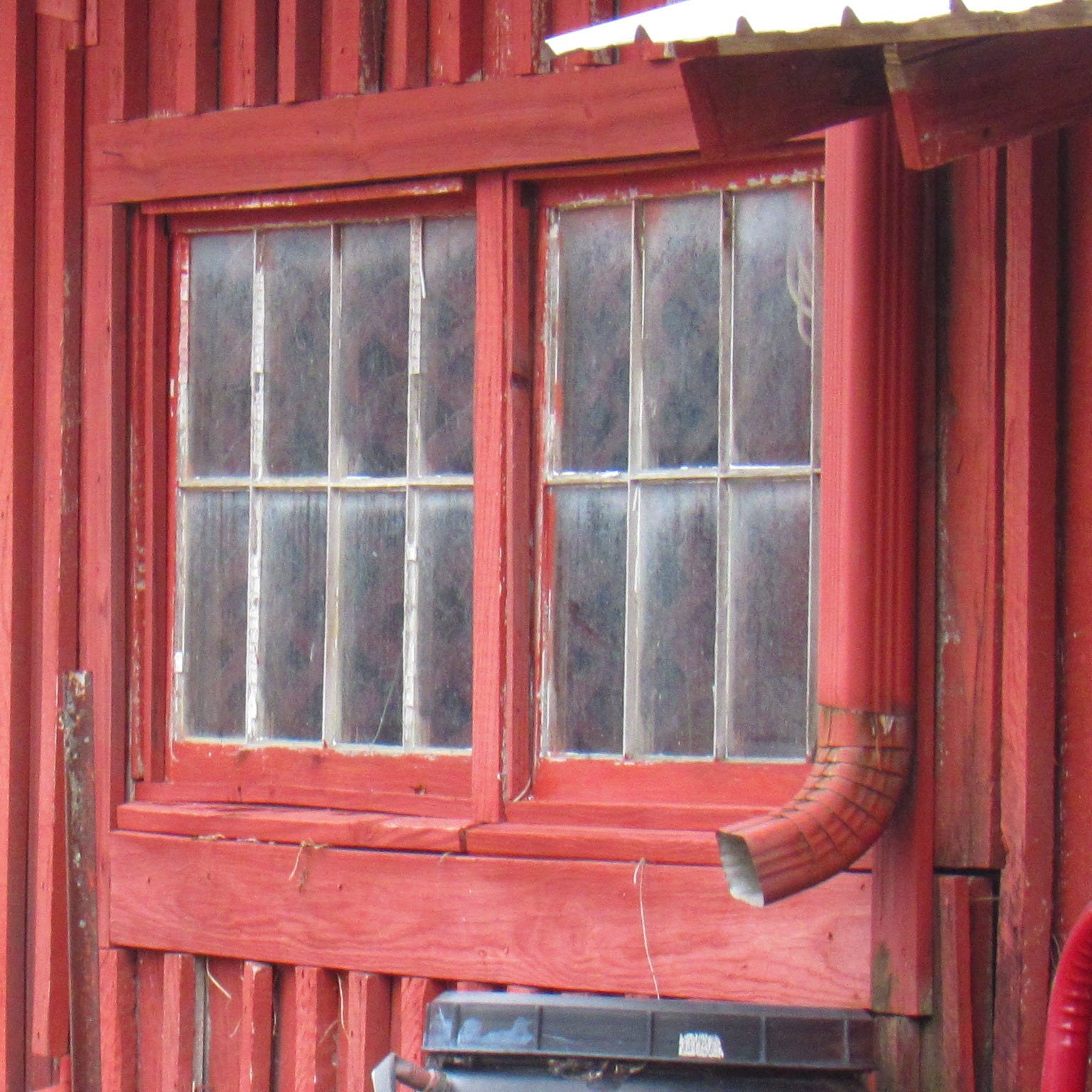
I’ve only been on Substack for a bit over a year. And now with a little over twice the number of new readers, compared to my old blog site, these Thursday posts are an opportunity to share with newer readers a few “notes” that have I written during the past 25 years. Enjoy.
They gave me an old metal bucket full of whole corn kernels and stood me out near the front yard in a big corral. One of the men yelled a long high-pitched call. Then he called again, head cocked and listening, looking out towards the woods. “Here they come,” he said. “When they get close, empty that bucket on the ground and walk over here.” I don’t recall being afraid, just fascinated, as at least fifty grown hogs came out of the woods at a run. Those pigs ran right past a two-acre corn patch, enclosed by another wooden fence, and up to where I had dumped the corn. They snorted and pushed each other around while the men who had gathered closed up the gates for the night. Nearby was a cluster of horned Cracker cattle grazing. They had the full access to about a hundred acres of woods and the homestead, as did the hogs.
Sitting in a ten-acre clearing was the farm’s house, two shotguns covered by one roof, each side with a room leading directly into the next, separated by ten feet of an open breezeway and built off the ground. Across the front of the conjoined buildings was a front porch. The breezeway led to the kitchen, a large room that could be entered from either side of the house. The roof was of tin and shaded by two massive pecan trees in the front and a giant pear tree in the back. In the shadow of the pear was a large wooden cistern that collected rainwater. I don’t remember a well, although I’m sure there was one.
It was my first visit with my family to the farm of my soon-to-be stepmother’s great-grandparents in North Louisiana. Both were in their late nineties. The year was around 1967, which means they had to have been born soon after the Civil War.
The house was full of her family at the time of this visit. There was no running water or electricity. Come evening, I recall, the rooms were illuminated by kerosene lanterns, which cast an orange glow that flickered into shadows and on the faces of all the kin congregated in the kitchen. As the evening turned to night, we kids were brought in one at a time, naked, to take a bath in a galvanized washtub placed on the floor in the middle of the gathering. It was one of those old-fashioned kinds in which even as a skinny kid of four I had to cross my legs to fit inside. The adults had emptied a couple of buckets of rainwater into the tub. I was too young to be embarrassed, but my older brother still remembers being so.
Around the farm there were a number of low-slung outbuildings made of stacked logs. An old corn crib, built off the ground to keep rats out, sat off to the back of the house. The outhouse was close to the back door for obvious reasons. Chickens were everywhere pecking in the dust. The elders died soon after, and on subsequent trips the animals were gone, the dirt was covered over by brush, and the woods were getting closer to the homestead. My father would mow through thick overgrown grass outside the house with an old beast of a Yazoo mower.
On one visit we collected pears from the backyard tree, and each May for several years we would drive up there to pick blackberries. We’d bring a Rattlesnake watermelon, a thirty-pounder that we’d eat on the porch steps after lunch, spitting the seeds into the dirt. One year, after some of the timber had been sold, we drove from Lake Charles just to put a metal tag on each stump with a number. The loggers had been given permission to cut just so much, and my father was a careful sort who trusted but verified. On another trip he brought a shotgun. He and my stepmother took turns target shooting as the other tossed the clay pigeons in the air. My younger sister Kathryn, who was maybe a year old, would hold her hands over her ears and cry.
By around 1972 we had stopped visiting the old farm altogether. The last memory I have of it is that the house had been torn down or moved and now there was just an opening in a clearing. More siblings were born, and our large family had other things to do than make a four-hour drive north for blackberries. Thinking back, it is hard for me to say with certainty, but I’m fairly sure that my glimpse of the old people and the old ways, before all was swept away, shaped some of my outlook and even the life I lead today.
………………………………………………………………………….
Reading recently: Old Southern Apples (C. L. Calhoun Jr.), Whatever Happened to Tradition? (T. Stanley), and The Big Sleep (R. Chandler)
Beautiful, Brian. What would we do without our ancestors, alive, and alive only in our hearts? I pity people who don’t have siblings and cousins and aunties and uncles and grandparents and great grandparents. How would we learn who we are? Imagine not growing up knowing your deep family, alive and passed on, but all part of you.
Another fun and enjoyable memory jog, Brian! I remember well those galvanized bathtub baths in grandma‘s kitchen with the cousins❣️ Surrounded by warmth from both the old heat-stove and all the Old Ones sittin’ at grandma’s big kitchen table laughing and drinking sweet iced tea❣️❣️